
Subtotal ₹0.00



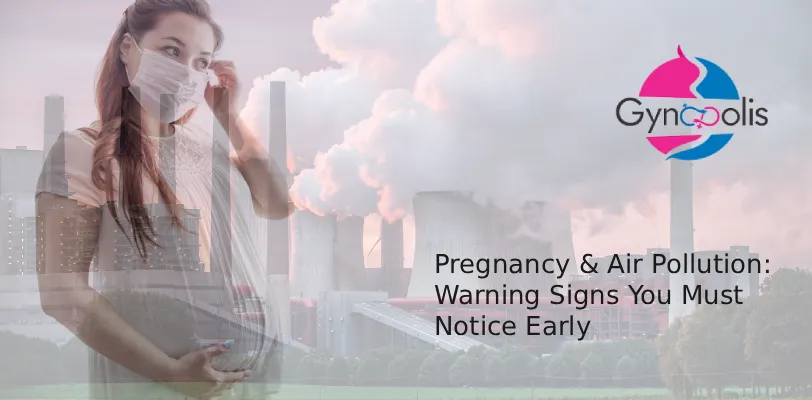
Pregnancy is a sensitive period when every external factor, even the air one breathes, will be more crucial than ever. Due to the rapid urbanization and increase in levels of vehicular and industrial emissions, the level of air pollution is an alarm for expectant mothers.
This knowledge of the effects of contaminated air on pregnancy, along with the opportunity to learn early warning signs, allows for mitigating risks and making the pregnancy process healthier.
How Air Pollution Affects Pregnant Women?
Pregnant women are at a higher risk of exposure to environmental toxins due to their bodies undergoing various physiological changes, including increased respiratory rate, increased blood volume, and altered immunity.
The constant exposure to contaminated air might disrupt the typical growth of the fetus and, in extreme instances, can result in some complications during birth, like low birth weight, pre-term birth, gestational hypertension, or developmental challenges in their later life.
Risks of Air Pollution During Pregnancy
Even though not all pregnant women who are exposed to pollution may develop complications, the studies conducted have revealed that the likelihood of having maternal and fetal health risks is high in women who are exposed to pollution over an extended period. Polluted air has been associated with some major issues that include:
- Respiratory distress caused by irritants and toxic gases
- Placental inflammation reduces nutrient and oxygen flow to the fetus
- Oxidative stress can damage cells and interfere with organ development
- Impaired fetal growth and possible neurological development concerns
- Higher chances of preterm birth due to chronic exposure
Early Symptoms That Shouldn’t Be Ignored
Not all symptoms are caused by pollution, but chronic symptoms and their presence in polluted environments might be signs of respiratory or systemic distress. Watch out for:
1. Continuous Coughing or Wheezing
A persistent cough, difficulty in breathing, or wheezing may be signs of irritation to the airways. Air pollutants may be the cause if the symptoms last longer than normal or worsen in the outdoor air.
2. Frequent Headaches
The oxygen level in polluted air is low, and this can cause a sense of mental fatigue, dizziness, or even a headache.
3. Shortness of Breath
Breathing is slightly heavier during pregnancy, but an unusual shortness of breath, especially upon going outside or walking around traffic areas, should be observed.
4. Skin Irritation and Allergic Flare-Ups
During pregnancy, skin sensitivity, rashes, or itchy skin problems may be aggravated by exposure to particulate pollutants.
5. Eye or Throat Irritation
Itchy eyes or a sore throat are common symptoms that typically occur when the level of pollutants is high.
6. Unusual Fatigue
The rate of fatigue increases in the body when the oxygen levels decrease due to poor air quality.
7. Elevated Blood Pressure
Pregnant women have a possibility of experiencing high blood pressure. Hypertension is also a risk factor and therefore requires constant monitoring.
How Expectant Mothers Can Protect Themselves?
While air pollution cannot be prevented all the time, exposure to polluted air can be reduced by limiting the time spent in contaminated environments.
- Monitor local Air Quality Index (AQI) and avoid going outside when the levels are elevated.
- Go out wearing a certified N95 or KN95 mask.
- Close doors and windows during peak pollution
- Eat foods that contain antioxidants such as berries, citrus fruits, leafy vegetables, and nuts.
- Hydration helps in natural detoxification
- Do not work out on smoggy days; go indoors.
When to Seek Medical Attention
It is essential to see a doctor for advice in case of symptoms such as shortness of breath, chest pain, severe fatigue, dizziness, swelling, or high blood pressure. Women who have asthma or respiratory issues and are pregnant should be instructed by their doctor.
Air pollution is a fact and is increasing as a threat; it is identified during pregnancy so that it can be mitigated and prevented. Early detection and reducing exposure can help expectant mothers go a long way toward eliminating complications and safeguard the development of the fetus. Healthy living heavily relies on clean air, and the need for it only increases during the most valuable process of bringing new life into the world.
Being informed, cautious, and proactive is the ultimate way to ensure a safe and healthy pregnancy in a polluted environment.


Comments are closed