
Subtotal ₹0.00



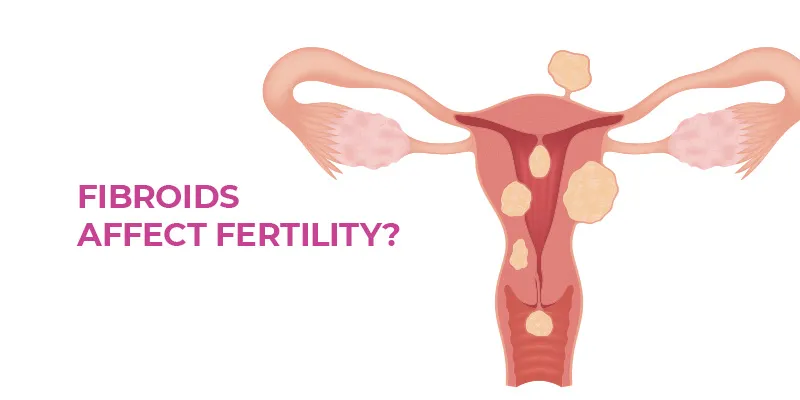
Uterine fibroids are a common health concern among women of reproductive age. Most fibroids are harmless and asymptomatic; however, others may have serious effects on fertility and reproductive health. Learning the impact of fibroids on fertility, including the benefits of laparoscopy treatment and precautions, is necessary among women who intend to have a baby.
What Are Uterine Fibroids?
Fibroids, also known as uterine leiomyomas, are non-cancerous growths that develop in or around the uterus. They are usually divided into three categories and differ in size, quantity, and location:
- Submucosal fibroids (inside the uterine cavity)
- Intramural fibroids (within the uterine wall)
- Subserosal fibroids (on the outer surface of the uterus)
How Fibroids Affect Fertility?
Fibroids may disrupt fertility in the following ways:
1. Distortion of the Uterine Cavity
Submucosal fibroids can change the uterine cavity’s shape, which can hinder a fertilized egg’s ability to implant correctly.
2. Blockage of Fallopian Tubes
Big fibroids can even block the fallopian tubes so that the sperm can not reach the egg, or the fertilized egg cannot move to the uterus.
3. Reduced Blood Flow
Fibroids may interfere with the blood supply to the uterine lining, making the implantation process unlikely.
4. Hormonal Imbalance
Estrogen levels tend to affect fibroids and upset the hormonal balance needed to ovulate and conceive a pregnancy.
5. Increased Risk of Miscarriage
Women who have fibroids can have an increased risk of miscarriage, particularly when the fibroids are situated within the uterine cavity.
Symptoms That May Indicate Fertility Issues
While some women may not experience symptoms, others may notice:
- Heavy or prolonged menstrual bleeding
- Pelvic pain or pressure
- Frequent urination
- Pain during intercourse
- Difficulty conceiving
Benefits of Laparoscopic Treatment
Minimally invasive surgery, or laparoscopic surgery, has found favour as a treatment of fibroids, particularly in women who desire to conceive a child.
1. Minimally Invasive Procedure
Laparoscopy uses small incisions and therefore causes less pain, scarring, and faster healing than a conventional open operation.
2. Preservation of the Uterus
The method can be used to remove fibroids ( myomectomy ) without removing the uterus, which is necessary in future pregnancies.
3. Faster Recovery Time
A few days to weeks are generally enough time to get patients back to normal, hence it is a convenient option for working women.
4. Lower Risk of Complications
Laparoscopic surgeries also decrease the chances of infection, blood loss, and adhesions, which may further impair fertility.
5. Improved Fertility Outcomes
Laparoscopic surgery may be used to enhance the possibility of pregnancy by eliminating fibroids that disrupt implantation or obstruct the reproductive tracks.
Who Should Consider Laparoscopic Treatment?
Laparoscopic removal of fibroids is recommended for:
- Women experiencing infertility due to fibroids
- Those with symptomatic fibroids affecting daily life
- Women planning a pregnancy in the near future
- Cases where fibroids are large or growing rapidly
However, this procedure can be used depending on personal medical issues, and only a specialist can assess it.
Prevention and Management of Fibroids
Although it is impossible to prevent fibroids all the time, it is possible to reduce the risk or control the growth with some lifestyle modifications, some of which are listed:
1. Maintain a Healthy Weight
Too much body fat may promote growth by increasing the amount.
2. Eat a Balanced Diet
Cut back on processed meals and red meat, which are associated with an increased risk of fibroids.
3. Regular Exercise
Maintaining a healthy weight and controlling hormones are two benefits of physical activity.
4. Manage Stress
Prolonged stress can upset hormonal balance, which has an indirect impact on the formation.
5. Routine Check-ups
Frequent gynecological checkups aid in the early identification and prompt treatment.
When to Seek Medical Help
Considering you have been struggling to conceive and have not been able to conceive or have very serious symptoms, then you need to see a healthcare professional. Adequate treatment and early diagnosis can make a huge difference in fertility outcomes.
Fibroids can pose challenges to fertility, but they are manageable with the right medical approach. Laparoscopic treatment offers a safe and effective solution for removing fibroids while preserving reproductive potential. Alongside medical intervention, adopting a healthy lifestyle can further support reproductive health. With timely care and proper guidance, many women with fibroids can successfully achieve their dream of parenthood.


Comments are closed