
Subtotal ₹0.00



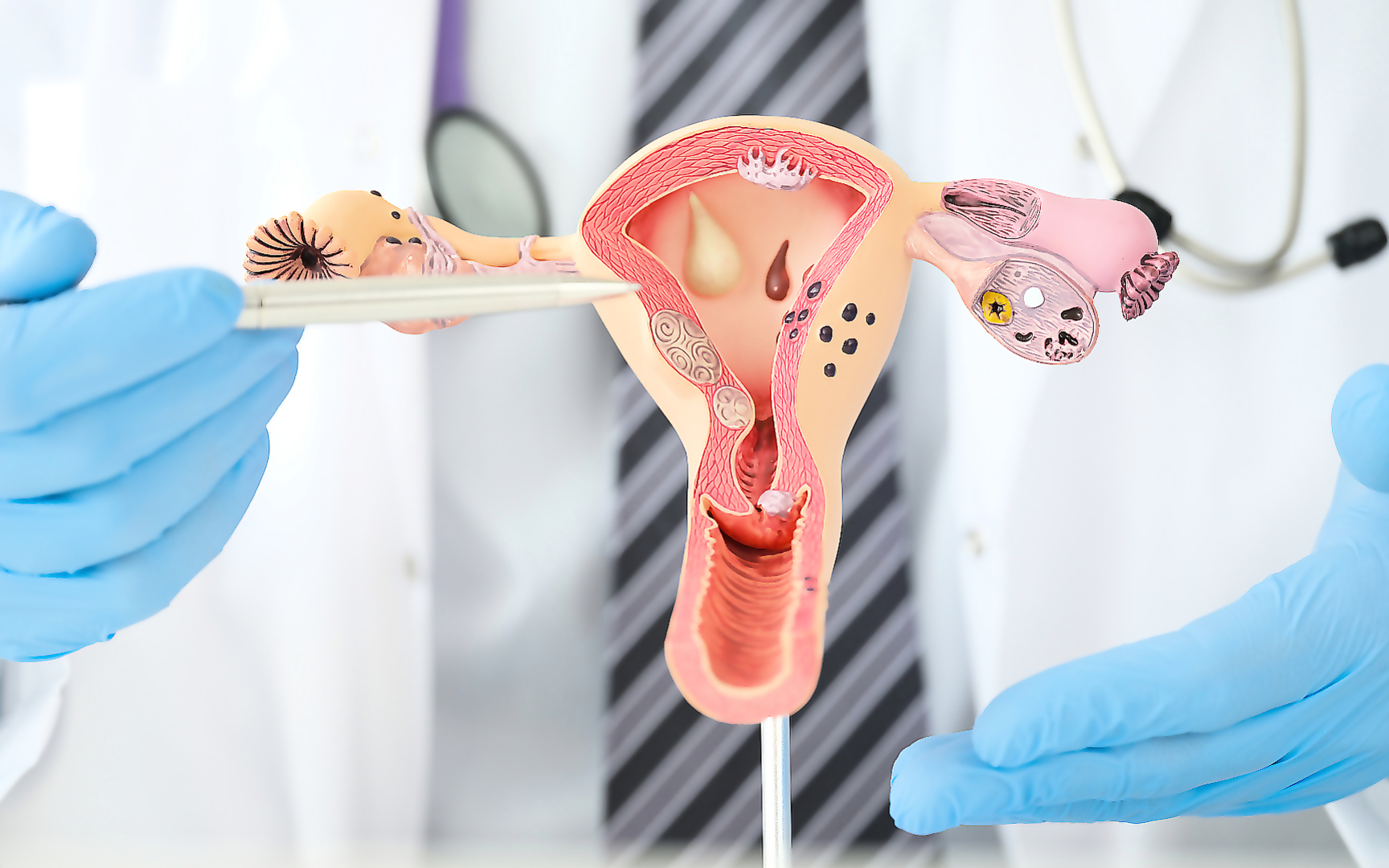
Reproductive health is guided by a blend of internal hormones and external lifestyle influences. In 2026, the concept of fertility enhancement does not just involve medical procedures- but it is a comprehensive blueprint of integrating nutrition, lifestyle, awareness, and prompt medical attention. If you are conceiving your first or have already conceived, but you have not done so in a long time, then knowing these pillars will greatly help you.
1. Understand Your Fertile Window
Ovulation, the discharge of an egg, normally takes place in the middle of your menstrual cycle. Ovulation can be tracked using techniques such body temperature, ovulation kits, or monitoring cervical mucus, to determine when you are most likely to conceive.
Irregular periods can be a sign of underlying problems such as hormonal disturbance or ovulatory disorders, whereas regular cycles can be a sign of hormonal balance.
2. Optimize Your Diet for Fertility
Nutrition plays a central role in reproductive health. A fertility-friendly diet aids hormone balance and egg quality.
Focus on:
- Fruits, vegetables, and nuts that contain antioxidants help prevent damage to the egg cells.
- Reproductive functioning, which is known to be supported by healthy fats such as omega-3 fatty acids in seeds, walnuts, and fish.
- Foods with more fiber, such as whole grains and legumes, can enhance fertility by stabilizing blood sugar levels.
3. Maintain a Healthy Weight
Body weight directly affects fertility. Being underweight or overweight may disrupt ovulation and hormone-making. A small weight change, as little as 5 percent of body weight, is enough to enhance fertility in a group of women.
It is not about perfection, but balance. Extreme diets are not as effective as sustainable practices such as mindful eating and physical activity.
4. Stay Physically Active-But Don’t Overdo It
Moderate exercise supports fertility by improving blood circulation, reducing stress, and maintaining hormonal balance. Walking, yoga, or light strength training are the best activities. However, too strenuous high-intensity exercises can be counterproductive by interfering with ovulation.
5. Manage Stress and Mental Well-being
Modern lifestyles often come with high stress, which can affect menstrual cycles and hormone levels.
Add stress-relieving activities like:
- Breathing or meditation
- Journaling
- Being outdoors
- Counseling or therapy when necessary
6. Improve Sleep Quality
Sleep is often overlooked but plays a critical role in reproductive health. Poor sleep can disrupt hormonal rhythms and affect ovulation. Aim for 7–9 hours of quality sleep each night. A regular sleeping routine aids in keeping your internal clock and hormone levels in check.
7. Limit Harmful Habits
Some of these lifestyle practices may have a significant negative impact on fertility:
- Smoking damages egg quality
- Excess alcohol intake disrupts hormones
- High caffeine consumption can affect conception (moderation is key)
Conscious lifestyle choices would help to make a healthier conception environment.
8. Consider Key Nutrients and Supplements
Some nutrients are particularly important for fertility:
- Folic acid supports early fetal development
- Iron may be linked to improved ovulation
- Antioxidants help protect reproductive cells
Never take any supplements without consulting a healthcare professional.
9. Address Underlying Health Conditions
Conditions like hormonal imbalances or ovulatory disorders can impact fertility. Early diagnosis and treatment are crucial.
If you’ve been trying to conceive for:
- 12 months (under 35)
- 6 months (35 or older)
Treatment nowadays varies with the cause and can be either medication or high-level technologies.
10. Embrace the “Preconception Phase”
A growing concept in 2026 is “preconception care” or “trimester zero,” a phase focused on preparing the body before pregnancy. This involves enhancing nutrition, toxin reduction, and maximizing health.
The specialists stress that even minor, regular lifestyle modifications can put a solid foundation in conception and a healthy pregnancy.
Increasing fertility is not about quick fixes; it’s about creating the right environment for your body to function optimally. With the right nutrition, a healthy lifestyle, dealing with stress, and an understanding of the medical issues, you have a high chance of conception.
Every woman’s fertility journey is unique. Patience, consistency, and the right guidance can make all the difference in turning your goal of parenthood into reality.


Comments are closed